Tag: Education Abroad
-
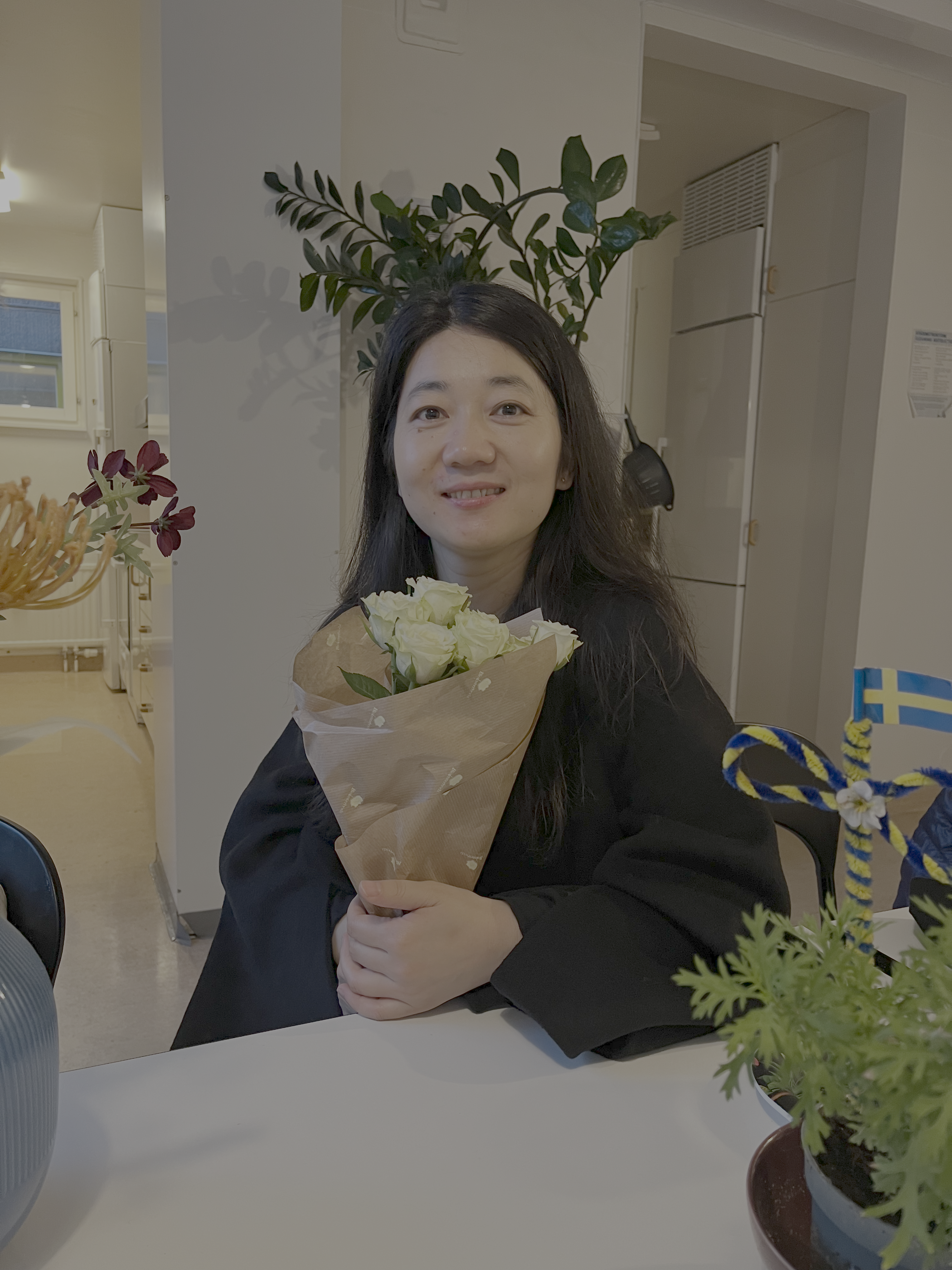
Finding Access in Sweden: Lessons Molly Brought Home to China
Transcript Welcome to the Accessibility Abroad Podcast, a resource dedicated to disability and accessibility in education abroad. We share best practices and lived experiences to support program providers and participants alike. Inn this episode I spoke with Molly Zhang, a woman from Shanghai who earned a master’s degree in bilingualism at Stockholm University in Sweeden.…
-
Universal Design in Education Abroad Programs
Learn what features a universally designed education abroad program includes
-
Understanding Insurance for Education Abroad: A Guide for Participants and Providers
When organizing or participating in education abroad programs, understanding insurance complexities, especially regarding pre-existing conditions, is crucial. Coverage varies between trip and travel medical insurance, with definitions and limitations impacting claims. Travelers should verify their primary health insurance and consider alternative healthcare options for comprehensive coverage while abroad.
-
Traveling to Thailand with Medications
It’s important to make sure that your medications are allowed in Thailand, and that you are traveling with the necessary documents. Some medications that are readily obtainable in other countries such as Sudafed (active ingredient pseudoephedrine), codeine and cannabis are controlled substances in Thailand. That could mean that travelers need a permit from the Thai…
-
Bringing Medications to Japan
It’s not uncommon that when students study abroad, they bring a medication with them. Many of these can be over-the-counter drugs that contain substances like Sudafed and codeine, which are controlled substances in Japan. In other cases they may be prescription drugs like Adderall that contain amphetamine, which is completely illegal. Read onto understand the…
-
Medications on Education Abroad: Guidance for professionals and participants
Medication management is a critical part of international travel planning. This guide outlines considerations related to availability, legality, insurance coverage, backup supply, time zone adjustments, and medication interactions. While program participants are responsible for managing their own medications, education abroad and accessibility professionals play an essential role in helping them understand what to expect and…
-
Assessing the Physical Accessibility of a Homestay Abroad
Whether you are in the United States, the United Kingdom, or Mexico, very few countries enforce accessibility standards for housing. Front steps are common. It’s easy to assume that developing countries will be even worse. In some ways this is true. Mexican houses may seem like they have more flights of stairs, while dispensing with…
-
Why Participants Don’t Disclose Disabilities
Learn the reasons why participants might not disclose a disability or accommodation need
-
Building Trust and Encouraging Disclosure
Making it safe to disclose the need for an accommodation and developing trust are essential for putting the right resources, supports, and contingency plans in place. Exchange providers play a pivotal role in creating a culture where participants feel comfortable sharing this information. To encourage participants to communicate an accommodation need, education abroad providers must…
-
When it Looks Like Someone Needs an Accommodation
It is up to each participant to decide whether or not to disclose a disability. Once a participant has been accepted into a program, you can privately check in with them to see if they require accommodations due to mental or physical disabilities. It is beneficial to include accessibility or medical professionals in these conversations…